
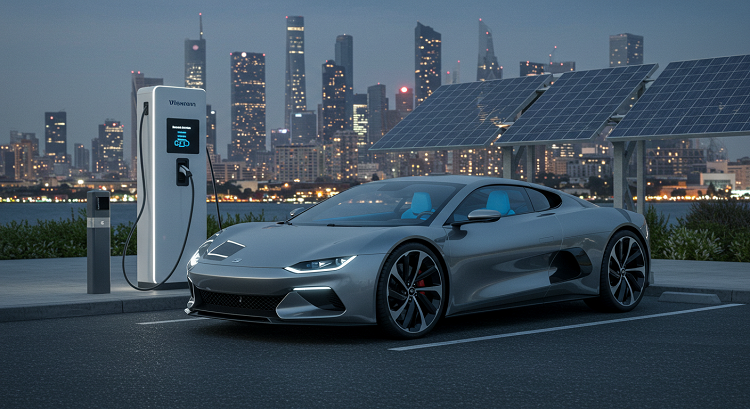

Electric vehicles (EVs) are transforming the way we think about transportation. What was once a niche option for environmentally conscious drivers has now become a fast-growing industry embraced by major automakers and governments around the world. With concerns about climate change, rising fuel costs, and the push for cleaner alternatives, EVs are not only practical but also shaping the future of mobility.
To understand this shift, it’s important to break down the essentials: how EV charging works, the role of batteries, and what lies ahead for the industry.
Understanding EV Charging
Unlike traditional cars that simply refuel at a gas station, electric vehicles need to be plugged in to recharge their batteries. EV charging comes in different levels, each offering varying speeds and convenience.
Level 1 Charging (Standard Outlet)
- Uses a regular household 120V outlet.
- Adds around 3–5 miles of range per hour.
- Best suited for overnight charging or short daily commutes.
Level 2 Charging (Home and Public Stations)
- Uses a 240V outlet, similar to what large appliances like dryers use.
- Provides 20–60 miles of range per hour.
- Common for home charging setups and workplace or public charging stations.
DC Fast Charging (Rapid Charging)
- Delivers high-voltage direct current directly to the battery.
- Can charge up to 80% in 20–40 minutes, depending on the vehicle.
- Found at highway rest stops and major charging hubs for long-distance travel.
The development of fast-charging networks is one of the key drivers behind EV adoption. Companies are working to expand coverage so drivers can enjoy the convenience of recharging almost as quickly as refueling with gasoline.
The Heart of EVs: Batteries
At the center of every electric vehicle is its battery pack, usually made of lithium-ion cells. These batteries store the energy required to power the electric motor, making them critical to performance, range, and cost.
- Battery Capacity: Measured in kilowatt-hours (kWh), this determines how far a vehicle can travel on a single charge. A higher capacity means longer range, but also more weight and cost.
- Battery Life: Over time, batteries degrade slightly, losing capacity after years of charging cycles. Modern EVs, however, are designed to last well over 100,000 miles before significant performance loss.
- Advancements: Researchers are exploring alternatives like solid-state batteries, which promise faster charging, higher energy density, and improved safety compared to current lithium-ion technology.
Battery recycling and sustainability are also key concerns. As more EVs enter the market, ensuring proper reuse of raw materials like lithium, cobalt, and nickel will play a big role in minimizing environmental impact.
Benefits of EV Adoption
The rapid growth of electric vehicles isn’t just about technology—it’s also about the benefits they bring to individuals and society.
- Environmental Impact: EVs produce zero tailpipe emissions, reducing air pollution in cities. When charged with renewable energy, their carbon footprint is dramatically lower than gasoline-powered cars.
- Cost Savings: Electricity is generally cheaper than gasoline, and EVs have fewer moving parts, meaning lower maintenance costs.
- Performance: Electric motors deliver instant torque, providing faster acceleration and smoother driving experiences compared to traditional engines.
- Energy Independence: By relying less on imported oil, countries can improve energy security through local electricity generation.
Challenges on the Road Ahead
Despite the advantages, EVs still face hurdles that need addressing for widespread adoption.
- Charging Infrastructure: Expanding the network of charging stations remains essential. Rural areas and developing regions often lack convenient charging options.
- Upfront Costs: While EV prices are dropping, they can still be more expensive than gas-powered cars. Government incentives and advancements in battery production are helping close this gap.
- Range Anxiety: Drivers worry about running out of charge before reaching their destination. Improving battery efficiency and expanding charging availability can reduce this concern.
- Sustainability: The mining and processing of battery materials raise ethical and environmental questions. Innovations in recycling and alternative chemistries will be vital.
The Future of EVs
The road ahead for electric vehicles looks promising. Automakers worldwide are investing billions into EV technology, phasing out internal combustion engines in favor of cleaner alternatives. By 2035, many regions aim to ban the sale of new gasoline and diesel cars, accelerating the shift toward electrification.
Emerging technologies will also reshape the EV landscape:
- Solid-State Batteries: Expected to offer greater range, faster charging, and enhanced safety.
- Wireless Charging: Imagine parking your car over a charging pad and powering up without plugging in.
- Vehicle-to-Grid Systems (V2G): Future EVs may serve as energy storage units, sending electricity back to the grid during peak demand.
- Autonomous Driving: EVs are likely to pair with self-driving technologies, redefining how we travel.
Communities of enthusiasts, engineers, and hobbyists are also contributing to EV discussions by experimenting with DIY charging solutions, battery upgrades, and solar-powered integrations. Sites like circuitdairy.com often explore such topics, highlighting innovations at both grassroots and industrial levels.
Conclusion
Electric vehicles are more than just a passing trend—they are shaping the future of transportation. From the way we charge to advancements in battery technology, EVs promise cleaner, smarter, and more efficient mobility. While challenges remain in infrastructure and sustainability, the momentum is undeniable.
As technology continues to evolve, electric cars are set to become the standard, driving us toward a greener and more connected future on the road ahead.